  
|
Posted By Administration,
Wednesday, March 25, 2020
Updated: Thursday, March 26, 2020
|
 The gut reaction in some A/E firms is to first ‘fire all the administrators,’ a statement made by Frank Stasiowski in an article advising on how to get through the 2008-11 recession. Here is why that’s bad advice. The gut reaction in some A/E firms is to first ‘fire all the administrators,’ a statement made by Frank Stasiowski in an article advising on how to get through the 2008-11 recession. Here is why that’s bad advice.
Now, more than ever, administrators have specific skills and duties that are always necessary, such as project administration, spec preparation, payroll, finance, as well as the specialized software knowledge to manage all of those functions such as Newforma, Vision, Ajera, Masterspec, and Quickbooks. They’re also the ones who maintain a relationship with your bank’s loan officer for your line of credit, manage your Accounts Receivable and Accounts Payable. So why would they be the first to go? The business of architecture and engineering has become much more complicated since 2011. Keeping the business personnel in your office allows you, the design professionals, to do what you do best--design. Isn’t your time better spent reaching out to clients, asking if they’re in need of anything, such as help on scheduling issues, coordinating with other consultants or construction firms on their behalf, rather than collecting timesheets and making sure the billing still goes out? Your business personnel are the ones with existing knowledge and relationships with the bank and insurance companies. The first thing that happens in a down economy is construction companies start filing lawsuits. That’s when you need access to A|E business networks like SDA. Why spend your valuable time trying to get up to speed in any one of those areas? The COVID19 virus pandemic is a marathon not a sprint, and just as it is hard to find good architects and engineers (heck any architects and engineers), it is very hard to find an administrator who knows Vision or Ajera. Ask more of your administrators, yes, just like you’re going to ask more of your technical personnel to compensate for possibly sick personnel or family members but maintain your staff levels. Everyone in your firm is probably more capable than you think, when asked to step up. Let’s all step up together.
Share the Pain. Wouldn’t it be fairer for everyone to take a 10-15% pay cut or reduce everyone’s hours by 10% and keep the family that is your firm working hand in hand to overcome this challenge? Come August or September when things start getting back to normal and everyone is in a rush with accelerated schedules, do you really want to spend time and energy hiring and training new people? The new OASDI or social security tax relief passed today will provide you with some relief. The example below shows that the new legislation just passed could save you $120,000 or the salary of at least 2 or 3 of your lowest paid employees for a 20-person firm.
$5,000,000 gross revenue
$3,000,000 net revenue
$2,100,000 labor expenses
$1,575,000 labor expenses last 3 quarters
$120,488 7.65% of labor – savings under new tax relief
And, you also do not want your unemployment coefficient to go up because your fired employees file for unemployment. The these firings will follow you for three years into the future.
Think long-term. Some of the strategic planning tasks administrative staff can be working on:
- Have marketing brush off or write a 5-year marketing plan. Research new project types you’re interested in pursuing
- Have accounting write up accounting manuals – especially in the event this crisis lasts longer than we think. There are no accounting manuals for Ajera, Vision, or QB out there.
- Have human resources keep up with all available information on the business aspects and effects of the COVID19 virus. Examine your employee handbook and note any policies that are in discrepancy with practices you’ve implemented to adapt to the situation. Write a pandemic policy for now and the future.
- Clean up those databases, libraries, storage unit, employee files, plan files
- Develop standards for CADD.
- Emphasize over-looked training and new certifications that will position individuals and the firm in a better place when the pandemic ends.
Take the Lead. Show your clients and employees you have the business savvy to weather this storm.
What are your firms doing to weather the storm? Share your ideas in the comment box below.

Deborah Gill, CPA, FSDA is the Owner of Profit by Design in Norfolk, VA
Tags:
SDA
Society for Design Administration
Staff Retention
Permalink
| Comments (4)
|
|
|
Posted By Stephanie Kirschner, FSDA,
Thursday, March 5, 2020
Updated: Monday, March 16, 2020
|
 SDA’s Fellows Program recognizes the value of a member’s contributions to SDA, peer organizations, and the A/E/C community in the area of excellence in design firm management. SDA’s Fellows Program recognizes the value of a member’s contributions to SDA, peer organizations, and the A/E/C community in the area of excellence in design firm management.
Wow!! Fellowship is the highest recognition SDA offers, and the number of Fellows is growing each year. So why pursue Fellowship, and how will it benefit your personal and professional growth?
The first requirement is 10 years of experience as a manager or administrator in the A/E/C industries, of which seven have been as an active member of SDA. The designation of CDFA for at least five years is also required. So it doesn’t come easily or quickly!!
Making Fellowship a goal, however, will propel you forward in your personal and professional growth. Here are things to start working on:
Significant Contribution to SDA. By continuing to be involved with SDA in a leadership position at the chapter and national levels, you will expose yourself to others who can inspire you to grow, to contribute, and to expand beyond your comfort zone. And in turn, you will add value to SDA and its membership through speaking, committee service, and introducing other A/E/C industry professionals to the benefits of SDA.
Contributions to Practice Management in the A/E/C Industries. Outside of SDA, there is so much you can do to improve this crazy industry we care about so much. We each find ourselves unexpectedly an expert on some topic that we have mastered or challenge we have conquered. How can you share this knowledge and not keep your light under a bushel? Local AIA chapters are always looking for seminar speakers; university students need to know more about the actual practice beyond their technical skills (how many architects have told you they “slept through Pro Practice?”). Can you advise your firm’s AXP®, EIT, or LSIT program? Can you serve in other building industry-associated boards or organizations? By so doing, you will increase your own knowledge while at the same time passively marketing your own firm.
Contributions as a Role Model. Outside of your own firm, how can you mentor individuals or organizations as an advisor, trainer, mentor, or participant in public/community service? This includes Canstruction®, where you can have a huge impact beyond the design community. Again, every time you expand your horizons, you are growing personally, you are representing your firm, you are expanding your network, and you are increasing your influence.
So get started now! Chart your course to Fellowship, and you will simultaneously gain tremendous personal growth, demonstrate your value to your firm, and elevate the design community.
You never achieve a goal without a deadline, so start checking off what you’ve already achieved towards your Fellowship goal, and what still needs to be done.
Have a look at the Fellows Program Guidelines and the Fellows Application and start your path to career success. What steps can you take to start your career development with an eye toward becoming a Fellow? Share ideas in the comment box below.
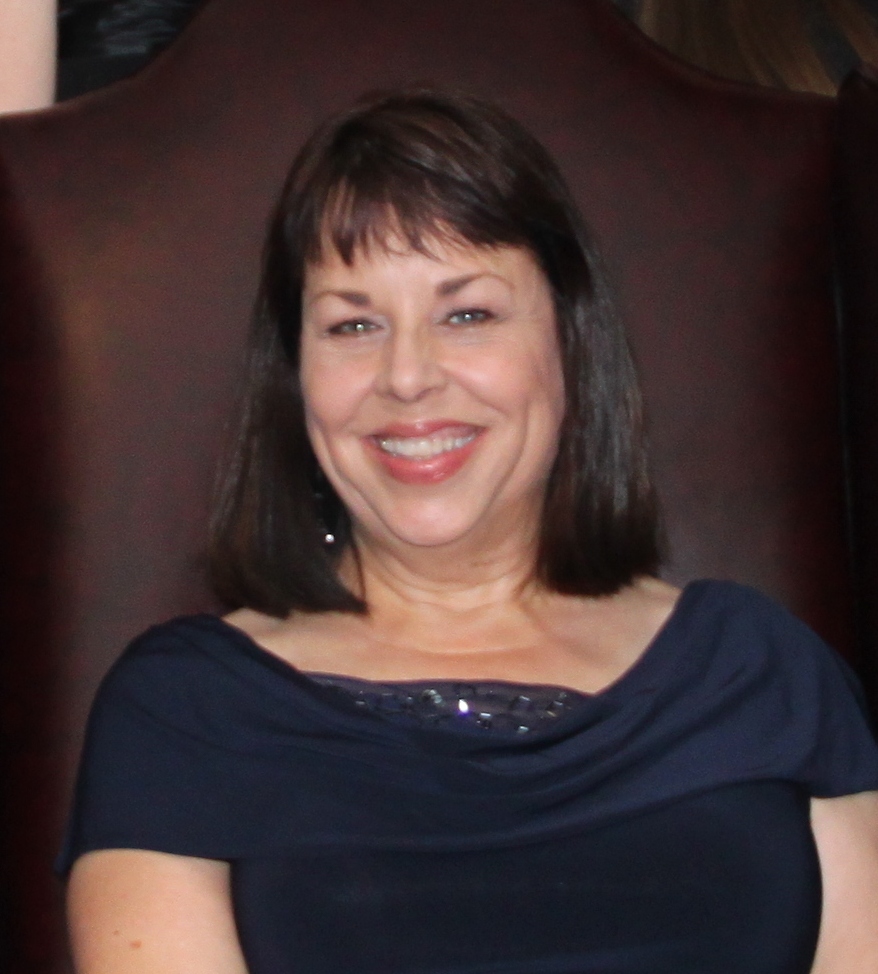
Betsy Nickless, FSDA is a member of the first SDA Class of Fellows (2018).
She currently serves as the SDA National Bylaws Committee Chair.
Tags:
SDA
SDA Fellow
Society for Design Administration
Permalink
| Comments (0)
|
|
|
Posted By Administration,
Wednesday, March 4, 2020
Updated: Monday, March 9, 2020
|
 Amy Nanni, CDFA (SDA NY) dropped me a line about a future Word Nerd post saying, “I have seen many well-educated people write yea when they mean yeah or yay. Though not commonly used in office communications, they are commonly used in conversation and misused in email.” When I told her that’s an awesome suggestion, her response was, “Yay!” Amy Nanni, CDFA (SDA NY) dropped me a line about a future Word Nerd post saying, “I have seen many well-educated people write yea when they mean yeah or yay. Though not commonly used in office communications, they are commonly used in conversation and misused in email.” When I told her that’s an awesome suggestion, her response was, “Yay!”
Did she use yay correctly? Yes, she did (she knows better).
When Amy dropped me that line about those three words, I could have responded with something like, “Yeah, well; I don’t know if I have the time to submit another Word Nerd.” But I didn’t. But if I did, what I would have been saying and meant was, “Yes, well; I don’t know if I have the time to submit another Word Nerd.”
For you well-educated people – here’s the skinny on those three words, along with some examples of them in use.
· Yeah is a very casual way of saying Yes.
o If someone asked, “Did you mean to do that?” And the other replied, “Yeah, I meant to do that.”
o If someone said, “You told me you’d have that deliverable ready to send to the client by 3:00 PM on Tuesday.” And the other replied, “Yeah, I did tell you that, but I have a perfectly good excuse for not meeting your deadline. The Graphics Department took a really long lunch and didn’t send me the tables and figures until after 3:00 PM!”
o You pronounce yeah with a short A sound, the same sound as in the word “at.”
· Yea is pretty much used during voting; it’s a yes vote.
o “All those in favor say Yea. All those opposed say Nay.”
o You pronounce yea with a long A sound (rhymes with nay).
o It’s common among texters to text back “Yea” when they mean Yes. (You might even get back “Ya” – yikes!)
· Yay is used when you’re excited or happy about something.
o When Judy told Amy she liked the suggestion, Amy showed her joy by jumping up and down while screaming “Yay!”
o You pronounce yay with a long A sound.
So, yeah [yes], if you want to appear well-educated (Amy would like that), be sure you know when to use yay (are you excited or happy about something?) or yea (are you voting yes on something?).
Amy knows how to use them correctly. Here’s what she said after she reviewed the draft of this Word Nerd: “So yeah, I vote yea and celebrate with a ‘Yay!’”

Judy Beebe, FSDA is a member of the SDA National Membership
Committee and serves as the 2020 Seattle Chapter President.
Tags:
SDA
Society for Design Administration
Word Nerd
Permalink
| Comments (2)
|
|
|
Posted By Administration,
Wednesday, March 4, 2020
Updated: Wednesday, March 4, 2020
|
 Given today’s competitive business climate and challenging economy, marketing and PR efforts should be front and center for your professional services firm. But how can marketers help their firms rise above the noise? One way to do this is through public speaking by the partners or principals. By speaking at public forums – at conferences, seminars and forums held by independent event organizations, associations, and professional and industry trade groups– enormous exposure is created and thought leadership is demonstrated. Given today’s competitive business climate and challenging economy, marketing and PR efforts should be front and center for your professional services firm. But how can marketers help their firms rise above the noise? One way to do this is through public speaking by the partners or principals. By speaking at public forums – at conferences, seminars and forums held by independent event organizations, associations, and professional and industry trade groups– enormous exposure is created and thought leadership is demonstrated.
Many professional service firms recognize the value of holding their own events at which their partners and principals make presentations. The problem with these seminars is that, more often than not, the attendees are existing clients or individuals who are already familiar with the firm. Since firms need to expose their expertise to prospective clients, they need to look at events outside the firm. Presentations about industry trends or “how-to” talks can make a large impact on the audience.
Speaking opportunities for firm partners and principals represent a strong marketing/ public relations, business development, and thought leadership vehicle for the following reasons:
- Attendees get to learn about a firm’s expertise firsthand and can interact directly with the speaker immediately before or after the presentation. An attendee asking for a business card can be the first step to obtaining a client. The media in attendance also present opportunities for added exposure.
- Gaining increased visibility in vertical/industry sectors or broad-based areas that the firm has determined needs greater exposure.
- The firm attains “advertising” by having its name and the speaker’s name published in the agenda, seen by hundreds or even thousands of people online.
What should a firm be doing to get its partners and principals out on the speaking circuit? Take the following eight steps:
- Decide which service area(s) the firm should be targeting for increased visibility. This can be an established line of business where the firm speaks from a position of strength and is known as a “go-to” firm for a particular area. Conversely, presentations can cover an area that is just getting off the ground or at an early stage in its development.
- Get the right speaker on board. Proposed speakers should be experienced partners or principals in their area of expertise, which is more important that speaking experience in most instances. Make sure that the speaker candidates are committed to the idea of making public presentations. Some will resist the idea of taking time away from other business activities so make sure that you have their full support.
- Speak to the right audience. Thoroughly research the events for which representatives of your firm can be proposed as speakers, as solo presenters or as panelists. There are so many events taking place on so many topics, frequently simultaneously, that you’ll need to choose diligently in order to maximize the time and expense associated with speaking. Identify speaking engagements whose audience represents the clients and industries your firm wants to reach.
- Develop a proactive speaker placement program. It’s fine to evaluate unsolicited speaking opportunities. However, having someone dedicated to the task who will aggressively identify opportunities, develop relationships with event organizers and write and submit speaker proposals, should lead to an increase in the frequency of speaking engagements and thus increased visibility for the firm.
- Decide on the geographic area to target for speaking engagements — locally, regionally, nationally or even internationally. There are hundreds of speaking opportunities held worldwide every year.
- Create high-impact presentations. Audiences want to acquire actionable information they can take back to their organizations. They don’t want to hear that your firm is the leading firm in this or that subject area. A solid, informative presentation that is purely educational and does not promote a company will create instant credibility and obviate the need for a “sales pitch.” A presentation that turns out to be a sales pitch will ensure low evaluations by the audience.
- Learn the process for submitting a speaker proposal — follow the format established by the organizer for writing a presentation abstract, submitting bios and speaker expertise and, of course, meeting the proposal deadline date. Make sure you tailor the abstract and the bio to each speaking opportunity so that they fit the objectives of the audience.
- Follow up continuously and persistently with the event organizer to help your company stay above the noise, since you will often be competing with many other firms for the same speaking slot.
Even if speaking engagements are successfully attained, be sure to maximize the engagement by ensuring that the presentation has a shelf life. Always come armed with “takeaways,” including handouts, such as an article written by the speaker or a white paper from the firm. Press releases, either before or after a speaking engagement can attract potential clients, especially when the release contains information that demonstrates the firm’s expertise in a particular area.
By developing an effective speaker placement program for you or your organization, you will have taken a big step in meeting its marketing/public relations, business development and thought leadership objectives. Share your questions/thoughts in the comment box below.
Steve Markman serves as a Guest Blogger for SDA and was a recent presenter for EDConnect19 . 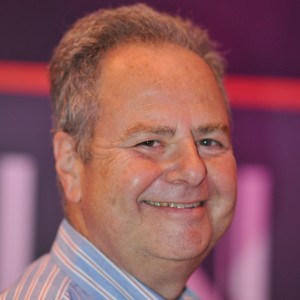
With over 30 years of experience in the speaker and conference business, Steve Markman is the President and Founder of Markman Speaker Management, LLC, a full-service speaker agency based in Boston, USA that focuses on helping professional service firms and companies in all industries gain exposure through public speaking. He conducts training for company marketing and PR/communications staff to develop or improve the firm’s speaker placement process designed to boost visibility and generate business leads for their organizations. Prior to launching his own firm in 1994, Steve headed up the conference divisions of leading organizations, including COMDEX and The Conference Board. Contact Steve smarkman@markmanspeaker.com or visit his website: www.markmanspeaker.com.
Tags:
Boost Visibility
SDA
Society for Design Administration
Speaking Opportunities
Permalink
| Comments (0)
|
|
|
Posted By Administration,
Wednesday, December 11, 2019
Updated: Wednesday, December 11, 2019
|
 As chair of the SDA National Bylaws Committee, it’s my job to help national and all chapters assure that their bylaws and standing rules are current and in compliance. As chair of the SDA National Bylaws Committee, it’s my job to help national and all chapters assure that their bylaws and standing rules are current and in compliance.
But what are bylaws anyway? They are the document that governs the national organization (or chapters), basically a contract between the organization and its officers so that the business of the organization is conducted consistently. They describe various membership categories, committees, types of meetings and how they are held, and the people who have authority to make decisions, among other things. As a chapter, your state requires bylaws in order for you to be organized in that state. (And SDA National requires that you have bylaws/standing rules to remain in good standing as a chapter.)
In general, bylaws shouldn’t change considerably, unless there are changes within the organization that would require changes to the bylaws.
Standing rules establish specifics for the organization, such as uses of finances and responsibilities of committees.
Bottom line, bylaws are designed to be overarching and procedural, while standing rules are specific and administrative.
Sounds complicated, I know… That’s why SDA’s Bylaws committee exists – to help members and chapters understand their bylaws and standing rules, and to assist when changes are contemplated.
We’re a small committee (shout out to Gretchen Renz, CDFA, my right-hand committee member and our ExCom Liaison, Karen Roman, FSDA), and we don’t get much time in the spotlight, which is just how we like it. Unless there are amendments to the national bylaws or standing rules that create a lot of discussion during the annual business meeting. Remember the name change amendment?
But we’re here when needed – by ExCom and chapters – when a question arises regarding conformance with bylaws, when a chapter wants to make a change, or has a question. Just the other day I received an email about whether or not their chapter had a quorum. The answer was yes, by the way.
So remember your national Bylaws Committee when you have a question – we love to hear from you!

Betsy Nickless, FSDA, currently serves the SDA National Bylaws Committee Chair.
Contact Betsy
Tags:
Bylaws Committee
SDA
Society for Design Administration
Permalink
| Comments (5)
|
|

 Blog Home
 All Blogs
 RSS
RSS