|
Posted By Elizabeth Harris, FSDA,
Wednesday, June 21, 2023
Updated: Monday, June 19, 2023
|
ExCom 2023-24: Vincent Lafitte, CDFA National Vice President
At the 2023 SDA Annual Business Meeting in Tampa, Florida, Vincent Lafitte, CDFA, was elected and sworn in as the SDA National Vice President. Lafitte is a new SDA's Executive Committee (ExCom) member, having served on the National Certification Committee since 2014. He has been an active member of the Atlanta chapter, where he was elected president for three terms and gained six years of valuable board experience.
Lafitte brings to ExCom his extensive experience in organizational development. Lafitte confidently has over 15 years in the field of human resources, with a strong understanding of various aspects such as organizational behavior, interpersonal connections, and relations. He values continuous improvement and seeks various perspectives before making decisions. “I like to look at things from 5-10 different viewpoints, not just one, and am very vocal in bringing new ideas and thoughts to the fore. I also have no problem challenging “how it’s always done” which means progress quite frankly doesn’t happen, but with the mindset of continuous improvement.”
Lafitte is an HR Analyst and Senior Associate at SSOE in Atlanta. His responsibilities include overseeing system administration and innovation for all HR-related systems, such as iCIMS, Microsoft Dynamics, and ADP's HR areas. Additionally, he compiles, organizes, analyzes, and provides recommendations based on all HR data.
Tags:
ExCom
Permalink
| Comments (0)
|
|
|
Posted By Elizabeth Harris, FSDA,
Monday, June 19, 2023
Updated: Monday, June 19, 2023
|
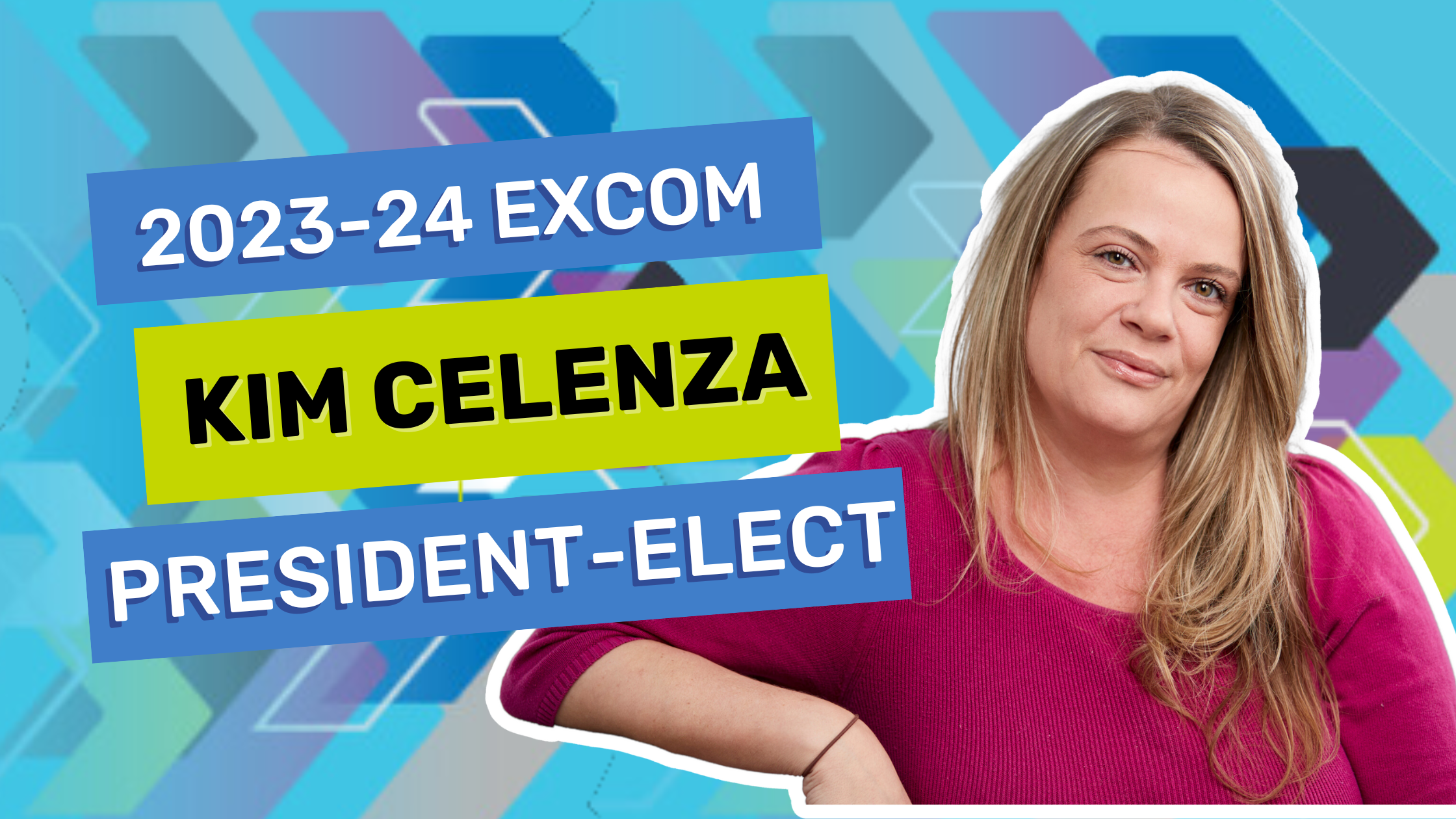
ExCom 2023-24: Kim Celenza, President-Elect
Kim Celenza was elected and installed to serve as SDA President-Elect at the 2023 SDA Annual Business Meeting. Kim, who previously held the National Treasurer position in 2022, is a member of the New York Chapter of SDA. She had served on the board in a multitude of capacities.
“I am looking forward to continuing my work with ExCom, leaning in on our ExCom board, our Committee Chairs, as well as, continuing to grow as a leader,” Kim said. “We never stop growing, and as I grow, my confidence in not only my ability to lead grows, but my confidence in our ExCom team, and this powerful and inspiring organization. I always say I am only as powerful as the ones standing beside me.”
This post has not been tagged.
Permalink
| Comments (4)
|
|
|
Posted By Elizabeth Harris, FSDA,
Friday, June 16, 2023
Updated: Saturday, June 17, 2023
|
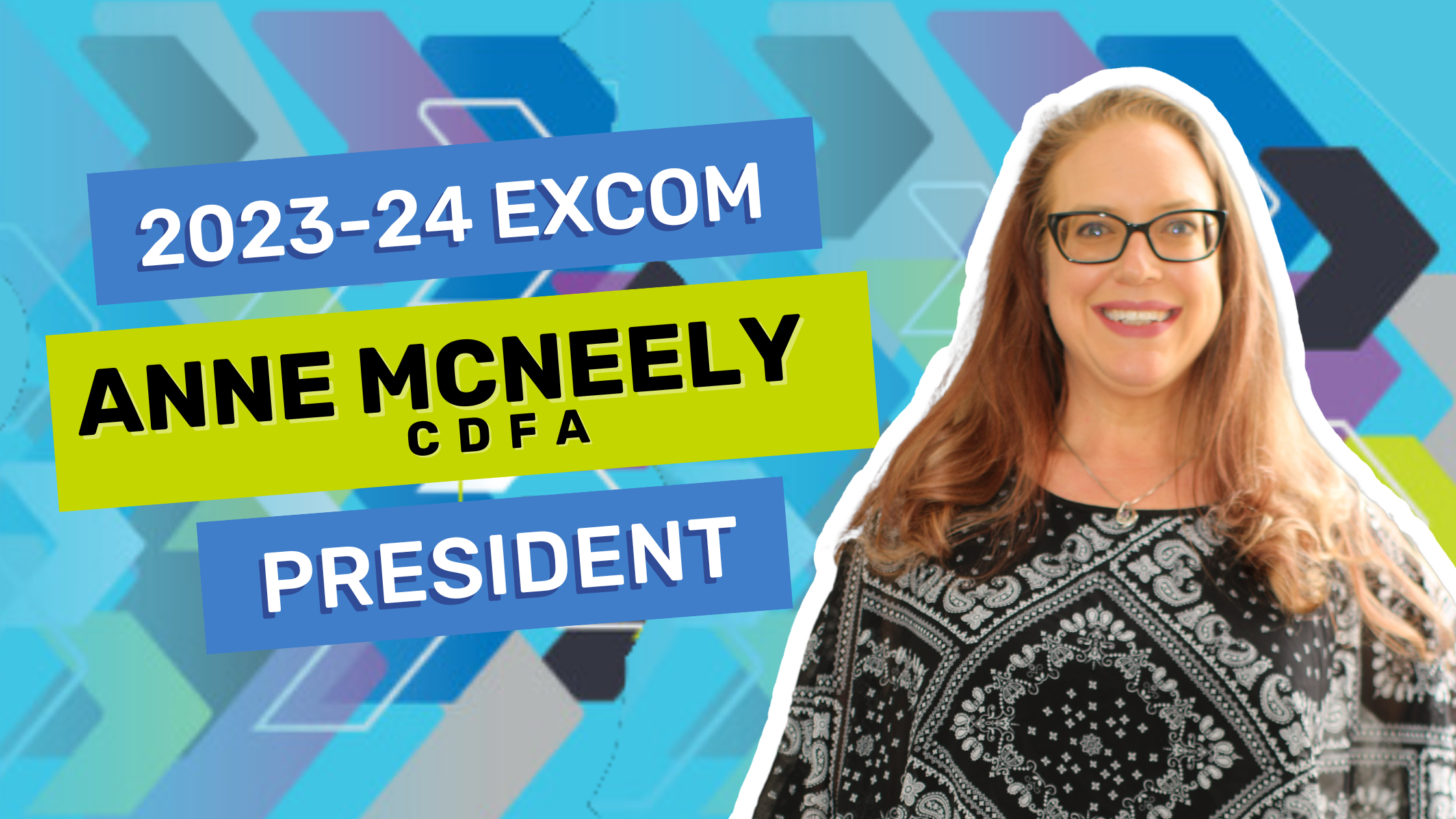
ExCom 2023-24: Anne McNeely, CDFA National President
Anne McNeely, CDFA was elected and installed to serve as SDA National President at the 2023 SDA Annual Business Meeting. McNeely, who has served on the National Board the past 4 years, is a member of the Denver Chapter of SDA. She had served in multiple positions on the SDA Denver Board of Directors as well as chaired multiple Chapter committees.
“My experience, both serving on ExCom to date and as a Denver Chapter Officer, has prepared me for this next step. I give my best to what I do and will be honored to serve as National President for the 2023/2024 term,” McNeely said. “I look forward to a deeper commitment in the coming term as we develop relevant on-demand program recordings, articles, blogs, and other resources for our members. “ McNeely is the Contract Administrator for Cuningham, in Denver, Colorado.
Tags:
SDA National Committee
Permalink
| Comments (9)
|
|
|
Posted By Elizabeth Harris, FSDA,
Thursday, June 8, 2023
Updated: Monday, May 29, 2023
|
Harnessing the Power of QR Codes: A Simple Guide
QR codes have become increasingly popular due to their convenience and versatility. This article will explore the basics of QR codes, their uses, and how to create them. Whether you're a business owner, marketer, or simply interested in utilizing this technology, this guide will provide valuable insights.
What is a QR Code? QR stands for "quick response," indicating these codes' rapid and efficient nature. Unlike traditional barcodes, QR codes can store substantial information, up to 4,296 characters. They were invented by DENSO Wave, a Toyota supplier, in 1994. QR codes have found widespread application in various fields, including marketing.
Reading QR Codes: In the past, specialized QR code reader apps were required to scan QR codes. However, with the proliferation of smartphones, most devices now have built-in camera functionality that can read QR codes. This accessibility has contributed to the increased usage of QR codes.
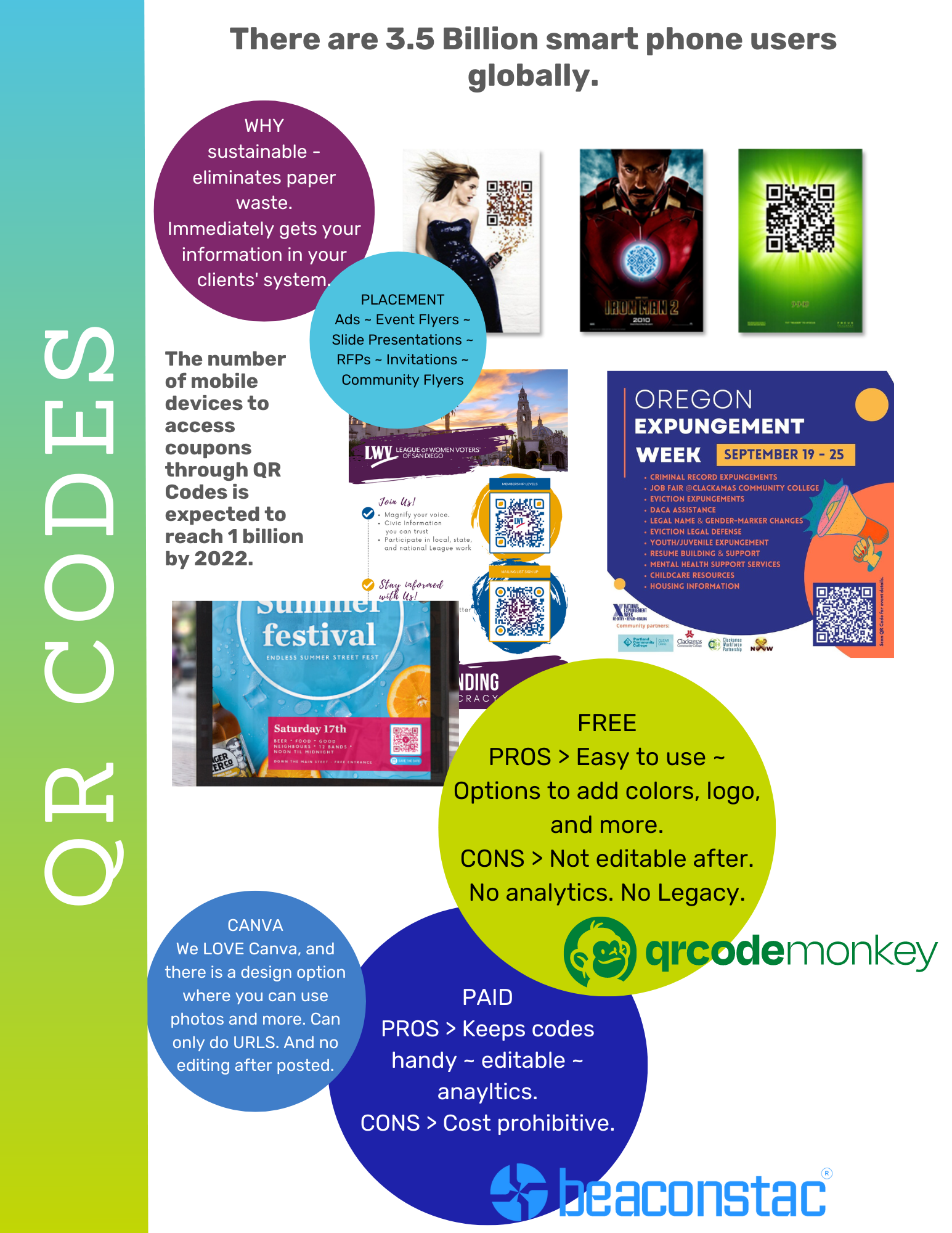
Benefits of QR Codes: QR codes offer numerous advantages for businesses and individuals alike. QR codes have immense reach, with over a billion mobile device users and 3.5 billion smartphone users globally. They are cost-effective, eco-friendly alternatives to traditional marketing materials like paper flyers. Furthermore, QR codes enable immediate data capture, eliminating the need for manual input and expediting the process of adding contacts to a database.
Applications of QR Codes: QR codes can be utilized in various ways. They can be incorporated into advertisements, menus at restaurants, event registrations, and even connecting to Wi-Fi networks. These codes offer users a seamless and efficient experience, minimizing the effort required to access information or complete tasks. Additionally, QR codes can be customized with logos, colors, and designs to align with branding.
Choosing a QR Code Generator: Both free and paid QR code generators are available. Free generators like QR Code Monkey are suitable for most applications and provide ample functionality, such as creating VCards for contact information. Paid generators, such as Bstat, offer more advanced features and analytics, making them ideal for businesses that require detailed insights and tracking.
Creating a QR Code: To create a QR code using a free generator, simply visit the chosen platform, such as QR-code-monkey.com. Select the desired QR code type, enter the relevant information, and customize the design with colors and images. Once generated, the QR code can be downloaded in a suitable format, such as PNG, for various applications.
QR codes have revolutionized how businesses and individuals share information and interact with their audience. Their ability to store substantial data, ease of use, and flexibility make them valuable tools for marketing, networking, and streamlining processes. Following the steps outlined in this guide, you can quickly create your QR codes and leverage their benefits in your personal or professional endeavors.
Use the links below to access the tip sheets.
Tags:
Marketing
QR Codes
Permalink
| Comments (0)
|
|
|
Posted By Elizabeth Harris, FSDA,
Wednesday, May 10, 2023
Updated: Monday, May 8, 2023
|
Editor's note: the full webinar is available for purchase from the SDA Store on the National Website at https://bit.ly/SDAStoreGoNoGo Be sure to login to receive the SDA member price.
The Go/No-Go Process: Promoting Effective Marketing & Risk Management
Have you ever wondered if your marketing decisions align with your firm's strategic goals and objectives? Are you interested in learning about a systematic process to help you make more objective decisions? In this post, I will share what I learned about the Go/No-Go process, a structured approach to promote effective marketing and risk management.
I attended a session presented by Diane P. Mika, VP & Director of RM Education, Berkley Design Professional, and Julie Standon, LEED AP, Principal of SitePlus, at EDConnect21. The program focused on aligning marketing decisions with your firm's strategic goals, revenue objectives, and operational realities, identifying criteria that factor into an effective Go/No-Go decision, and developing a WIN strategy based on the gathered information.
Diana started the presentation by stating “evaluating whether a client and their project is a good opportunity for your firm is where Risk Management begins.” A structured and systematic Go/No-Go process can help you make a more objective decision. According to Deltek, only 35% of design firms have developed a formal process and only 24% use it strategically.
Marketing is an expensive overhead item and needs to be as efficient and productive as possible. A/E firms operate on an average profit level of 14.4%. Marketing costs average 8% of net revenue but can be as high as 12%. Marketing costs are greater than just the marketing staff and administrative expenses. Significant time is also spent by the professional staff as well. To spend marketing dollars wisely, a formal Go/No-Go process helps you spend those dollars on the right pursuits and not just rolling the dice.
Why have a Go/No-Go process?
- Increases the odds of success
- Reduces exposure to liability
- Offers the most efficient use of company resources and manpower
- It enables you to make a decision more objectively than subjectively
Factors That Influence the Go/No-Go
- Existing Client Relationship
- Targeted Client
- Likelihood of Profitability
- High Probability of Win
- Staff Utilization
- Gaining Experience in a New Sector
How do you evaluate the process with a specific project? Use a checklist – a tool for internal review to help you understand and evaluate the selection criteria objectively vs. subjectively.
Go/No-Go considerations:
External considerations for The Client: Do they have experience with the project type? Clients without this experience might require more hand-holding and thus more fees. What is the client’s reputation? Their financial capabilities? Carefully review the contract and make sure you have no exceptions to any clauses. What is their litigation history? How does this client resolve issues? Will they agree to a mediation clause?
Internal considerations for The Client? Are they existing clients? If so, you’ll know what you’re getting and what to expect. Is there potential for future work? Long-term relationships are a benefit to everyone. What is their company culture? How to their people work together within a company? How will your company culture mesh with their culture?
External considerations for The Project? Does the scope and size of the project fit in with your capabilities? Is it with an existing client with whom you want to maintain a relationship or a new client to start a new relationship? Funding source/status? Is it in place or bonds to be sold, grants, or private money? (Diane gave an example of a hard-to-please residential client funding his current project from damages he received from a previous one!) It’s important to know that the client has a solid payment plan. Budget/schedule? Is the budget adequate? Schedule do-able? Construction method? Are you familiar with the technique? Did you know about the project ahead of time? Are there any politics, entitlements, and regulations affecting the project, such as a neighborhood group that is likely to protest, etc.?
Internal consideration for The Project? Determine what design services are required. Do you need to bring on consultants? Can you bring on the right team? Do they bring the right expertise, and are they known and liked by the clients? Are there any MWBE requirements? What is the client’s decision-making process? Find out who are the key decision makers. Project location – can you access it easily? If not, do you have enough fee for travel, overnight stays? Is there an opportunity to propose additional services as added value for the project? Always look for ways to add to the fee potential.
Eight Steps in Developing the WIN Strategy.
- Capabilities/experience match with the client’s needs/expectations? If the client is looking for five similar projects completed in the last five years, do you have those to show?
- Appropriate staff available? Clients will often lock in the proposed project team as part of the contract. Make sure staff are available
- Who is your competition? What are their strengths and weaknesses, and how can you show you are better than they are?
- Are you strategic? Does this project contribute to the firm’s mission? Know your mission, and every project you undertake should support your mission.
- How do you distinguish yourselves? Once you know what the client is looking for and what the competition brings, how can you demonstrate proof of differentiation? Be specific on what you can do and bring and why is it a benefit to the client.
- What is the most important message about your firm you want the client to hear?
- Resources/connections to help you become more known to the client and provide you with good information about that client.
- What are your chances of winning for real? What is the realistic probability of a win? You may be able to do it, but can you win it?
A project is a no-go if:
- You have never met anyone from the potential Client’s firm/institution
- The client is not familiar with your firm
- You don’t have relevant experience
- You don’t have enough time to prepare a great submittal
- Your chances are less than 50%
A Formal Go/No-Go Process is Beneficial
- Increases your odds of winning work
- Reduces your liability exposure
- Uses your company resources and manpower more effectively
- Gets buy-in from the entire team, which leads to a more collaborative and productive process, ultimately lays the groundwork for a more profitable project
The Go/No-Go checklist that was used during this presentation is included in the webinar handout that may be downloaded during purchase from the SDA store. https://bit.ly/SDAStoreGoNoGo
What has been your experience with using the Go/No-Go process? Please share any tips or suggestions in the comments below.
This post has not been tagged.
Permalink
| Comments (0)
|
|

 Blog Home
 All Blogs
 RSS
RSS